
IBISWorld Platform
Answer any industry question in minutes with our entire database at your fingertips.

The marriage rate has fallen to 5.48 per 1,000 people, representing a 3.6% decline from 2025. The marriage rate has continued to fall over the past year as changing societal attitudes toward marriage and increased cohabitation, especially among Millennials and Gen Zers, have led people to seek marriage less often. Elevated economic uncertainty in 2026 has also dampened couples' willingness to get married. The marriage rate fluctuated significantly in the first half of the current period. In 2021, as pandemic restrictions began to lift and venues reopened, pent-up demand led to a significant spike in marriages, from record lows in 2020, with growth of 17.6% in 2021 and 3.3% in 2022. However, as this demand was satisfied, the marriage rate returned to pre-pandemic trends, dropping since 2023.Larger trends have also applied downward pressure. Rising labor force participation and earnings among women have altered household dynamics. An aging population and higher divorce rates have continued to contribute to fewer new marriages. Increased contraception use and declining male labor force participation have weakened traditional marriage drivers, particularly among men ages 25 to 34. Economic conditions have reinforced these patterns. Continuing inflation and rising housing costs following the pandemic, along with student debt burdens, have reduced the financial feasibility of marriage. This is especially evident among individuals with lower levels of education and lower incomes.
Curious about what drives these trends? IBISWorld's analyst coverage on the marriage rate includes detailled analysis on the current performance, outlook and industries affected.
1980-2032
The marriage rate is measured as the annual number of marriages per 1,000 people in the United States. Data is sourced from the National Center for Health Statistics.
IBISWorld Industry Reports are available in multiple formats to fit seamlessly into your workflow.

Answer any industry question in minutes with our entire database at your fingertips.
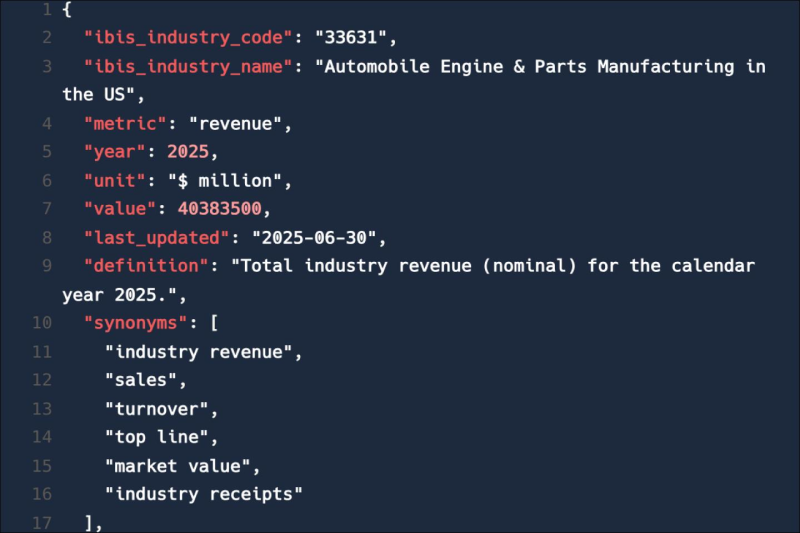
Feed trusted, human-driven industry intelligence straight into your platform.
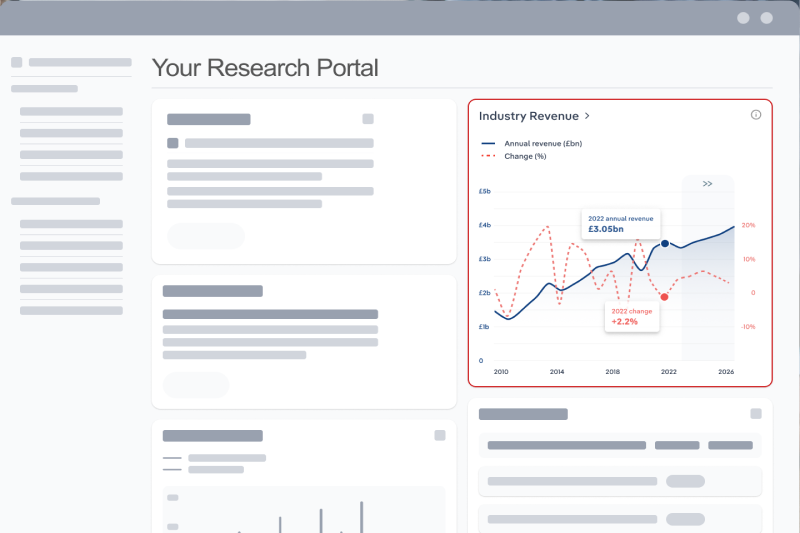
Streamline your workflow with IBISWorld’s intelligence built into your toolkit.
Explore industries with similar markets, supply chains, and economic drivers to gain broader context and insights.
| Industry | Country | Last 5-yr CAGR | Forecast 5-year CAGR | Revenue |
|---|---|---|---|---|
| Wedding Planners in the US |

|
XX% | XX% | $XX |
| Bridal Stores in the US |
|
XX% | XX% | $XX |
| Clothing & Apparel Rental in the US |
|
XX% | XX% | $XX |
| Formal Wear & Costume Rental in the US |
|
XX% | XX% | $XX |
| Flower & Nursery Stock Wholesaling in the US |
|
XX% | XX% | $XX |
| Officiant Services in the US |
|
XX% | XX% | $XX |
| Photo Booth Rental in the US |
|
XX% | XX% | $XX |
| Caterers in the US |
|
XX% | XX% | $XX |
| Party Supply Rental in the US |
|
XX% | XX% | $XX |
| Florists in the US |
|
XX% | XX% | $XX |
| Jewelry Stores in the US |
|
XX% | XX% | $XX |
| Party & Event Planners in the US |
|
XX% | XX% | $XX |
| Photography in the US |
|
XX% | XX% | $XX |
| Fertility Clinics in the US |
|
XX% | XX% | $XX |
| Kitchen & Cookware Stores in the US |
|
XX% | XX% | $XX |
When the stakes are high, you need intelligence that cuts through the noise—wherever you work.
The marriage rate in the US in 2026 was 5.48 units.
The marriage rate in the US declined by -1.81% in 2026.
IBISWorld’s data and analysis on marriage rate in the US includes forecasted growth rates over the next five years.