
IBISWorld Platform
Answer any industry question in minutes with our entire database at your fingertips.

Public health expenditure in New Zealand is forecast to climb by 7.9% in 2025-26 to $32.7 billion, reflecting both strong underlying cost pressures and substantial new funding commitments in Budget 2025. The increase is reinforced by a $5.5 billion multi-year boost for hospital and specialist services, primary care and community and public health, alongside over $1 billion earmarked for additional cancer treatments and other medicines purchased through Pharmac. Budget 2025 also allocates more than $1 billion to health infrastructure, including the redevelopment of Nelson Hospital and the Wellington Emergency Department, as well as upgrades to Auckland hospitals. The Budget also provided $447 million to expand urgent care and after-hours services, improving access to GPs and nurses. Additional funding for aged care and a more health-based response to mental distress calls contribute to higher operating expenditure.New Zealand's shift to a unified national health system in July 2022 has structurally increased public health expenditure by locking in higher ongoing baselines rather than one-off boosts. Public funding now flows primarily through Te Whatu Ora - Health New Zealand, which plans and purchases hospital, primary, community and public health services nationally, replacing the former District Health Boards and their historic deficits. National planning, standardised service levels and a stronger focus on equity have required additional operating and capital expenditures to stabilise services and address backlogs, resulting in a higher level of expenditure over time.Public health expenditure in New Zealand has continued to increase over the past five years, with recent growth now driven primarily by structural cost and demand pressures, rather than temporary pandemic-era measures. The country's ageing population is contributing to a higher prevalence of chronic conditions, sustaining strong demand for hospital, primary and community health services. Pandemic-related disruptions have left a lasting legacy of treatment backlogs and heightened pressure on an already overstretched workforce, contributing to wage growth and higher operating costs across the health system. Persistent shortages of nurses and specialist clinicians, despite increased hiring, have been exacerbated by elevated prices for medicines and medical technologies, reinforcing these cost pressures and necessitating repeated funding top-ups in recent Budgets. Overall, IBISWorld forecasts public health expenditure to grow at a compound annual rate of 7.5% over the five years through 2025-26.
Curious about what drives these trends? IBISWorld's analyst coverage on the public health expenditure includes detailled analysis on the current performance, outlook and industries affected.
2005-2033
This report analyses public health expenditure in New Zealand. This includes the Central Government and other compulsory scheme funding, like funding from the Accident Compensation Corporation (Te Kaporeihana Awhina Hunga Whara). The data for this report is sourced from The Treasury (Te Tai Ohanga) and is measured in billions of dollars per year ending June.
IBISWorld Industry Reports are available in multiple formats to fit seamlessly into your workflow.

Answer any industry question in minutes with our entire database at your fingertips.
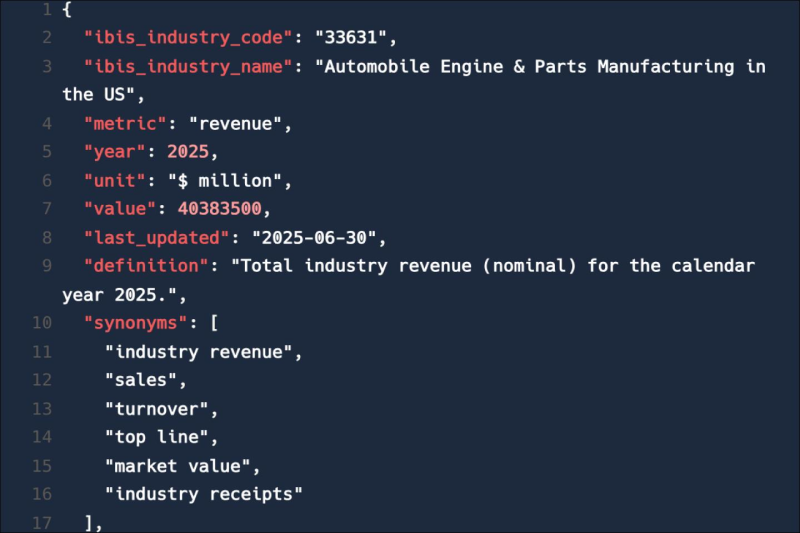
Feed trusted, human-driven industry intelligence straight into your platform.
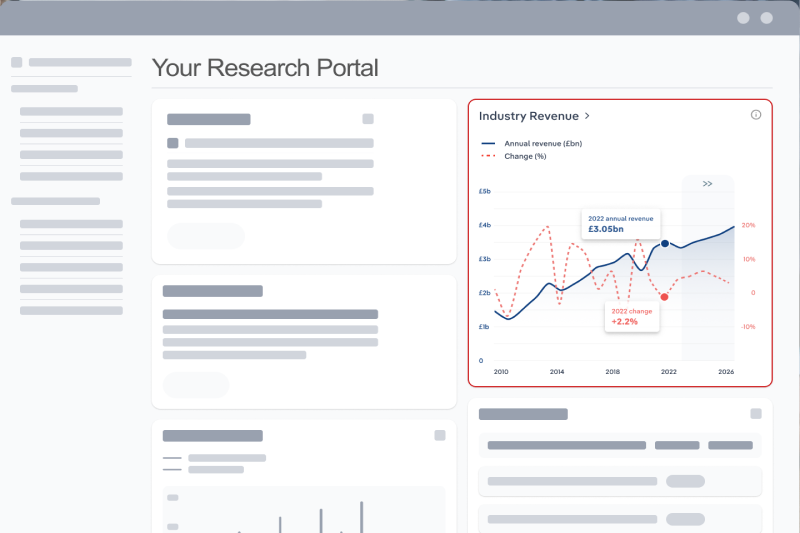
Streamline your workflow with IBISWorld’s intelligence built into your toolkit.
Explore industries with similar markets, supply chains, and economic drivers to gain broader context and insights.
| Industry | Country | Last 5-yr CAGR | Forecast 5-year CAGR | Revenue |
|---|---|---|---|---|
| General Practice Medical Services in New Zealand |

|
XX% | XX% | $XX |
| Dental Services in New Zealand |
|
XX% | XX% | $XX |
| Pharmaceutical, Cosmetic and Toiletry Goods Retailing in New Zealand |
|
XX% | XX% | $XX |
| Specialist Medical Services in New Zealand |
|
XX% | XX% | $XX |
| Pharmaceutical and Toiletry Goods Wholesaling in New Zealand |
|
XX% | XX% | $XX |
| Medical, Surgical and Scientific Equipment Manufacturing in New Zealand |
|
XX% | XX% | $XX |
| Other Health Services in New Zealand |
|
XX% | XX% | $XX |
| Institutional Building Construction in New Zealand |
|
XX% | XX% | $XX |
When the stakes are high, you need intelligence that cuts through the noise—wherever you work.
The public health expenditure in New Zealand in 2026 was $32.7 billion.
The public health expenditure in New Zealand grew by 7.48% in 2026.
IBISWorld’s data and analysis on public health expenditure in New Zealand includes forecasted growth rates over the next five years.