
IBISWorld Platform
Answer any industry question in minutes with our entire database at your fingertips.

IBISWorld forecasts that public funding for tertiary education will swell by 0.8% in 2025-26, to total $5.14 billion. Demand for tertiary education among New Zealanders is typically counter-cyclical, rising in times of deteriorating economic conditions. This situation encourages more New Zealanders to enrol in tertiary education and training courses, like apprenticeships, which delays their entry into the workforce and allows them to circumvent the poor hiring conditions of the time. The pandemic-induced drop in international student enrolment, who pay higher fees, strained tertiary institutions and required additional funding from government departments.Over the five years through the end of 2025-26, the Annual Maximum Fee Movement (AMFM) imposed by the Central Government has fallen, pushing up public funding for tertiary education. The AMFM is a rate set by the Central Government that represents the maximum percentage by which tertiary education providers can hike their fees. Up to 2015, the AMFM was set at 4.0% each year but was reduced to 3.0% in 2016 following public concerns regarding the affordability of tertiary education. The AMFM was further reduced to 2.0% in 2017 and remained at this level for 2018 through 2020. In 2021, the AMFM was reduced significantly to 1.1% to assist the affordability of tertiary education during the pandemic. The lower AMFM has restricted tertiary education's revenue from student fees. As a result, the government has had to raise the funding it provides to subsidise universities. The AMFM rate increased to 2.8% in 2024 before spiking in 2025 to 6.0% providing tertiary education providers with greater flexibility to manage cost rises.Unemployment in New Zealand has been trending upwards over the past five years, growing from 4.2% in March 2020 to 5.1% in March 2025 (most recent available data). This change has pushed more secondary students into tertiary education as they forego directly entering the workforce. This trend has caused government funding for education courses to strengthen, resulting in a 7.9% annualised growth in public funding for tertiary education over the five years through the end of 2025-26.
Curious about what drives these trends? IBISWorld's analyst coverage on the public funding for tertiary education includes detailled analysis on the current performance, outlook and industries affected.
2004-2033
This report analyses public funding for tertiary education, including funding provided by the Central Government (Te Kawanatanga o Aotearoa) for universities, Wananga institutions and Institutes of Technology or Polytechnics (ITP). The data for this report is sourced from The Treasury (Te Tai Ohanga), measured in billions of current dollars and presented at year-end June in line with the New Zealand Government's financial statements.
IBISWorld Industry Reports are available in multiple formats to fit seamlessly into your workflow.

Answer any industry question in minutes with our entire database at your fingertips.
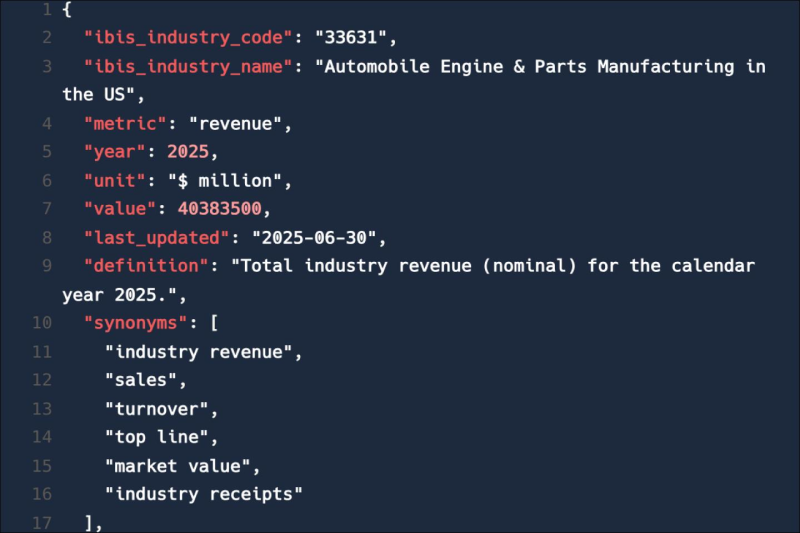
Feed trusted, human-driven industry intelligence straight into your platform.
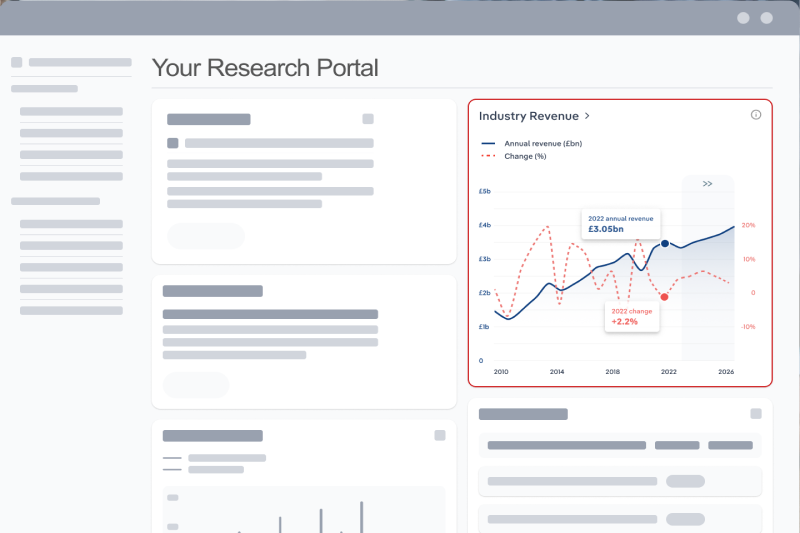
Streamline your workflow with IBISWorld’s intelligence built into your toolkit.
Explore industries with similar markets, supply chains, and economic drivers to gain broader context and insights.
| Industry | Country | Last 5-yr CAGR | Forecast 5-year CAGR | Revenue |
|---|---|---|---|---|
| Technical and Vocational Education and Training in New Zealand |

|
XX% | XX% | $XX |
| Universities in New Zealand |
|
XX% | XX% | $XX |
| Institutional Building Construction in New Zealand |
|
XX% | XX% | $XX |
When the stakes are high, you need intelligence that cuts through the noise—wherever you work.
The public funding for tertiary education in New Zealand in 2026 was $5.14 billion.
The public funding for tertiary education in New Zealand grew by 7.87% in 2026.
IBISWorld’s data and analysis on public funding for tertiary education in New Zealand includes forecasted growth rates over the next five years.