
IBISWorld Platform
Answer any industry question in minutes with our entire database at your fingertips.

In 2026, the price of paper is forecast to rise by 3.4%, reaching 263.6, as past mill closures and elevated energy costs tighten supply and raise input costs. The price increase will be partly driven by mill closures undertaken in previous years to rationalize costs and retool operations toward alternative packaging grades, which have reduced effective capacity in traditional paper segments and left the market structurally tighter entering 2026. Because of this, producers face stronger demand pressures on a smaller supply base, amplifying pricing power and encouraging upward adjustments to preserve their profit. At the same time, heightened energy price volatility linked to the ongoing Iran-related conflict has increased the cost of a core input in paper manufacturing, compounding existing frictions along the cost structure. These dual pressures—constrained supply capacity and more expensive energy—are expected to translate into broad-based input cost escalation across the industry over the year. Over the five years leading to 2026, the paper industry has been shaped by several critical factors, resulting in a CAGR of 4.2%. A key driver has been the economic resurgence following the lifting of COVID-19 restrictions, which brought about increased industrial activity and a revival in demand for paper products. This was paralleled by geopolitical factors, notably the conflict in Ukraine, which disrupted global supply chains and significantly increased energy costs, particularly for natural gas, a vital input in paper production. This escalation in energy prices has had a direct impact on production costs, elevating the overall expense of manufacturing paper products. Also, an emerging demand for more sustainable paper products, such as those used in packaging, has also escalated. Products like paper cups and straws, which often use recycled materials, have seen increased demand, with recycled paper pulp becoming a sought-after commodity. However, the price of pulp has risen because of ongoing production challenges and the increased energy costs previously mentioned. As a result, these intertwined elements—rising energy costs, demand for sustainable products and supply chain disruptions—have collectively driven the increase in paper prices, positioning the industry to navigate these complex challenges over the coming years.
Curious about what drives these trends? IBISWorld's analyst coverage on the producer price index: paper includes detailled analysis on the current performance, outlook and industries affected.
1980-2032
The price of paper is represented by a Bureau of Labor Statistics index that measures the prices received by paper manufacturers for their products. The index has a base year of 1982.
IBISWorld Industry Reports are available in multiple formats to fit seamlessly into your workflow.

Answer any industry question in minutes with our entire database at your fingertips.
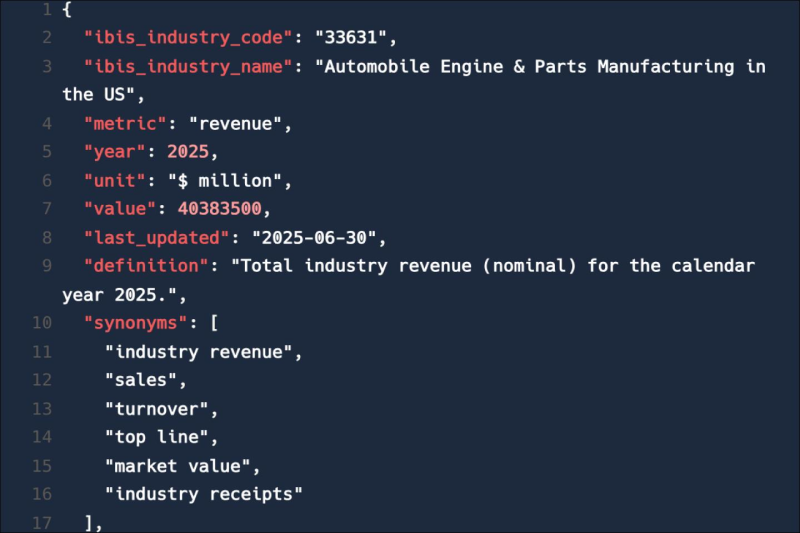
Feed trusted, human-driven industry intelligence straight into your platform.

Streamline your workflow with IBISWorld’s intelligence built into your toolkit.
Explore industries with similar markets, supply chains, and economic drivers to gain broader context and insights.
When the stakes are high, you need intelligence that cuts through the noise—wherever you work.
The producer price index for paper in the US in 2026 was 263.6 index points.
The producer price index for paper in the US grew by 4.23% in 2026.
IBISWorld’s data and analysis on producer price index for paper in the US includes forecasted growth rates over the next five years.