
IBISWorld Platform
Answer any industry question in minutes with our entire database at your fingertips.

Public sector funding for higher education can be directly funded through councils for teaching and research or through student loans. Universities receive grants which cover undergraduate and postgraduate teaching, research and infrastructure. Funding is allocated through the Higher Education Funding Council for England (HEFCE) in England, Higher Education Funding Council for Wales in Wales, the Scottish Funding Council in Scotland and the Department for the Economy in Northern Ireland.Public spending on higher education is expected to fall at a compound annual rate of 1.3% over the five years through 2023-24, to total £4.9 billion. Budget cuts on public expenditure have resulted in spending reductions on universities. Since 2012-13, the balance of funding for universities in England has shifted away from central government grants and towards students as tuition fees increased substantially as the government raised the cap on tuition fees from £3,375 to £9,000, and in 2016, the tuition fee cap increased again to £9,250. Although the tuition fee cap increased for students starting a new undergraduate course came into effect in 2012-13, this was not included in this framework and consequently, there are no benefits visible from the hike. According to Higher Education Statistics Agency (HESA) statistics, tuition fees accounted for 51.4% of universities' income in 2019-20, up from 46.4% in 2014-15.Moreover, while the government also spent £1.6 million on maintenance grants in 2015-16, it was abolished in 2016-17, leading to a significant decrease in spending. Simultaneously, these grants were replaced by loans in an attempt to make those who benefit from higher education pay for it.Prior to the base year, in 2014-15 the Higher Education Funding Council for England (HEFCE) made £3.9 billion of grant funding available. This represented a 14.8% decrease from the previous year. Although this increased the following year, funding tumbled again over 2016-17, falling by 7.5% to just £3.7 billion. In 2017-18, the total HEFCE grant amounted to £3.6 million, 2% lower than in the previous year. In 2018, HEFCE split between the newly formed Office for Students (OfS) and UK Research and Innovation. The OfS inherited the majority of HEFC funding responsibilities and its annual capital funding scheme had fallen from £1.5 billion in 2018-19 to a planned £411 million in 2022-23.However, the government announced a change in course from the funding cuts that pervaded university funding. This is with the government announcing a £400 million increase in funding over the year through 2020-21, on further education, in the 2019 Spending Round. As a result, public-sector funding for higher-level education increased by 11.3% in 2020-21. On 21 January 2021, the Government published its interim conclusions to its review of post-18 education and funding. It announced that the maximum tuition fee cap would be frozen again in 2021-22 at £9,250 and that decisions on further changes to student finance would be put off until the next spending review later 2021, resulting in the 7% increase in public spending on higher education in 2022-23.
Curious about what drives these trends? IBISWorld's analyst coverage on the public-sector funding for higher level education includes detailled analysis on the current performance, outlook and industries affected.
2007-2033
This report analyses public sector spending on higher education in the United Kingdom. The data is sourced from the HM Treasury's Public Expenditure Statistical Analyses. The data is presented in current prices and in fiscal years (April to March). From 2011-12 onwards, the 'grant-equivalent element of student loans is no longer part of the total expenditure on services (TES) framework. Therefore figures prior to 2011-12 are estimates.
IBISWorld Industry Reports are available in multiple formats to fit seamlessly into your workflow.

Answer any industry question in minutes with our entire database at your fingertips.
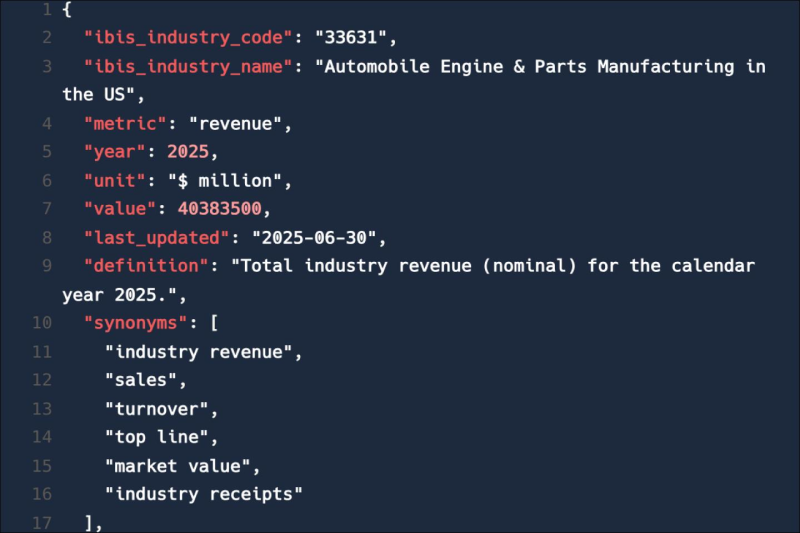
Feed trusted, human-driven industry intelligence straight into your platform.
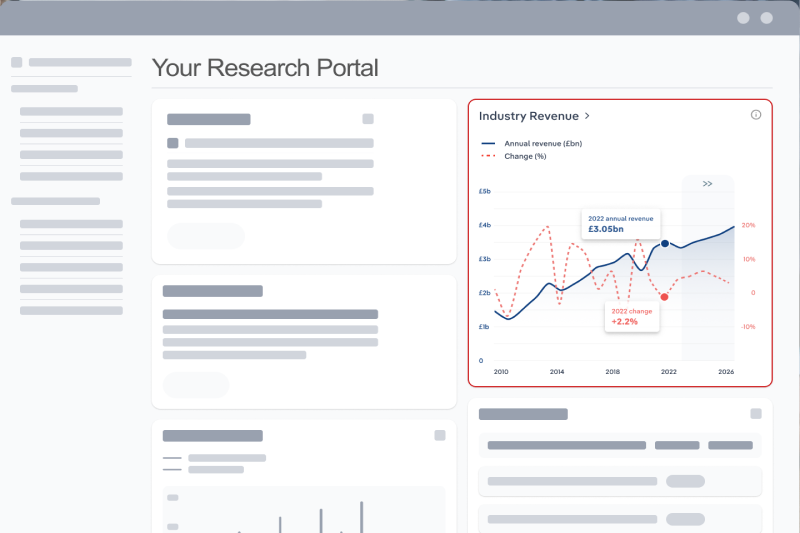
Streamline your workflow with IBISWorld’s intelligence built into your toolkit.
Explore industries with similar markets, supply chains, and economic drivers to gain broader context and insights.
| Industry | Country | Last 5-yr CAGR | Forecast 5-year CAGR | Revenue |
|---|---|---|---|---|
| Student Accommodation in the UK |

|
XX% | XX% | $XX |
| Technical & Vocational Education in the UK |
|
XX% | XX% | $XX |
| Universities in the UK |
|
XX% | XX% | $XX |
When the stakes are high, you need intelligence that cuts through the noise—wherever you work.
The public-sector funding for higher level education in the UK in 2024 was 4.9 £ billion.
The public-sector funding for higher level education in the UK grew by 1.18% in 2024.
IBISWorld’s data and analysis on public-sector funding for higher level education in the UK includes forecasted growth rates over the next five years.