
IBISWorld Platform
Answer any industry question in minutes with our entire database at your fingertips.

IBISWorld forecasts that the level of social assistance will rise by 0.11 percentage points in 2026-27, to 11.28% of GDP. Social assistance outlays are expected to outpace nominal GDP as demand for support persists while the New Zealand economy continues to labour under high unemployment. As a result, the level of social assistance is set to rise in the near term, even as overall spending growth remains selective and targeted.Large economic shocks have historically driven spikes in the share of GDP allocated to social assistance. The Global Financial Crisis in 2008-09 led to an surge in social assistance as unemployment rose, while the 2010-11 Christchurch earthquakes prompted further emergency spending. The COVID-19 pandemic produced the sharpest swell on record, reflecting wage subsidy schemes and other support measures. Among these, the Central Government's (Te Kawanatanga o Aotearoa) COVID-19 Support Payment supported viable businesses and organisations that experienced a revenue drop of 40% or more between February and April 2022. Since this peak, reductions in emergency programs have translated into lower total social assistance spending.New Zealand's ageing population continues to place upwards pressure on social assistance expenditure, particularly superannuation payments. To help contain future superannuation costs, the Central Government established KiwiSaver (Poua he Oranga) in 2007, enabling individuals to save more easily for retirement and easing reliance on government-funded social assistance. Nearly $10.8 billion was contributed to scheme providers in the 2024-25 financial year ending June, up from just over $4.8 billion in 2014-15. Government contributions have also grown over the same period, from $804 million to $1.0 billion, underscoring the Central Government's ongoing role in co-funding retirement savings.Two recent policy changes will shape the near-term trajectory for social assistance. Default KiwiSaver employee and employer contribution rates increased from 3.0% to 3.5% from 1 April 2026. While this change is intended to ease the long-term burden on the government by bolstering private retirement savings, it could also generate pressure for higher public contributions to maintain scheme incentives. Separately, the maximum weekly paid parental leave rate was lifted to $811.05 from $788.66 in July 2026, in line with growth in average weekly earnings, providing further support to households and adding modestly to social assistance outlays. Overall, IBISWorld forecasts that social assistance in New Zealand will decline at an average annual rate of 0.09 percentage points over the five years through 2026-27.
Curious about what drives these trends? IBISWorld's analyst coverage on the level of social assistance includes detailled analysis on the current performance, outlook and industries affected.
1990-2034
This report analyses the level of social assistance in New Zealand. The level of social assistance is measured using government expenditure on social assistance benefits divided by gross domestic product (GDP). The data for this report is sourced from The Treasury (Te Tai Ohanga) and is measured as a percentage of GDP in years ending June.
IBISWorld Industry Reports are available in multiple formats to fit seamlessly into your workflow.
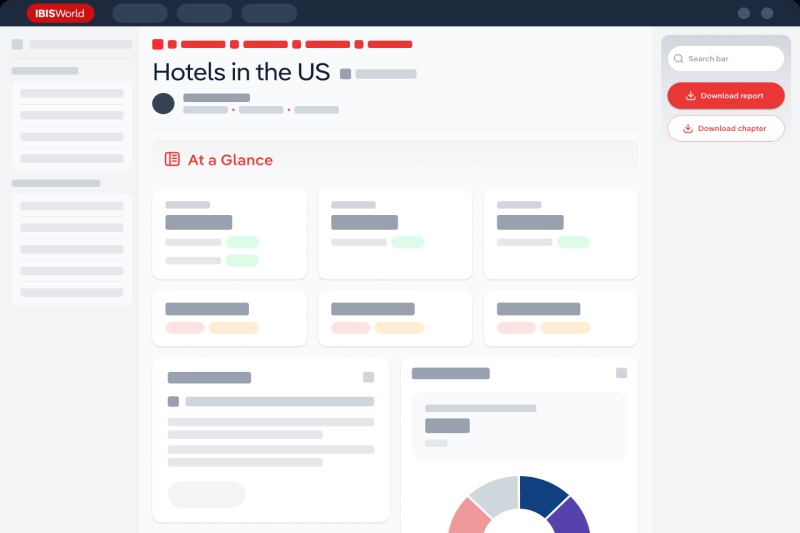
Answer any industry question in minutes with our entire database at your fingertips.
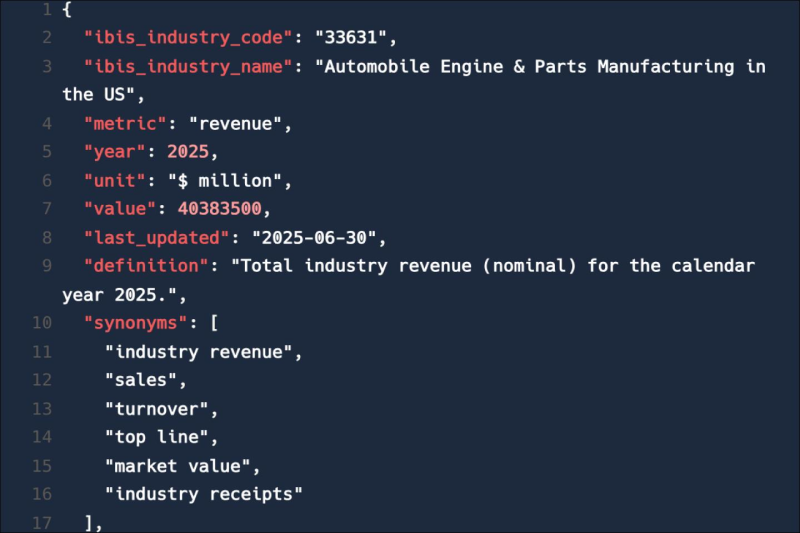
Feed trusted, human-driven industry intelligence straight into your platform.
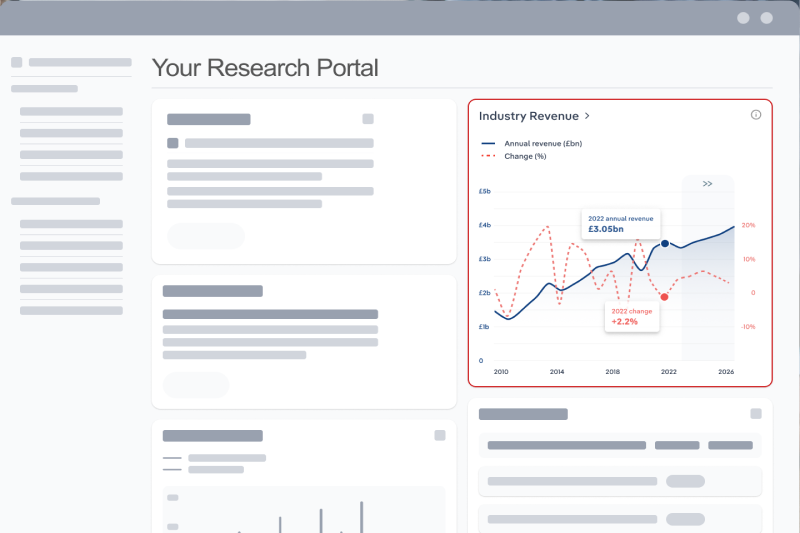
Streamline your workflow with IBISWorld’s intelligence built into your toolkit.
Explore industries with similar markets, supply chains, and economic drivers to gain broader context and insights.
| Industry | Country | Last 5-yr CAGR | Forecast 5-year CAGR | Revenue |
|---|---|---|---|---|
| Crisis & Care Accommodation in New Zealand |

|
XX% | XX% | $XX |
| Personal Welfare Services in New Zealand |
|
XX% | XX% | $XX |
When the stakes are high, you need intelligence that cuts through the noise—wherever you work.
The level of social assistance in New Zealand in 2027 was 11.28 percentage.
The level of social assistance in New Zealand declined by -0.09% in 2027.
IBISWorld’s data and analysis on level of social assistance in New Zealand includes forecasted growth rates over the next five years.