
IBISWorld Platform
Answer any industry question in minutes with our entire database at your fingertips.

IBISWorld forecasts the domestic price of fish and other seafood to climb by 0.2% in 2026-27, to total 122.1 index points. Seafood prices will face natural upwards pressure from positive inflation in the New Zealand economy. However, domestic seafood consumption is expected to decline, as the increasing popularity of vegetarian and vegan diets continues to influence domestic demand. This demand-side trend is anticipated to partially offset inflationary pressures, limiting overall growth in the seafood price index.The Quota Management System (QMS), introduced in 1986, maintains an effective floor on prices by setting limits on supply. The QMS restricts the quantity of certain species of seafood that can be harvested within defined time periods to maintain a sustainable level of fish. Where limits for a particular species are reached, prices increase dramatically as no further harvests can be made during that period, contributing to growth in the index. Conversely, where catch volumes for certain seafood under the QMS are raised, supply tends to increase, placing downward pressure on domestic prices.In recent years, growing health consciousness among New Zealanders has driven demand for fish and seafood, which are perceived as healthier options because they contain nutrients like omega-3 fatty acids and are leaner than other sources of protein like red meat. New Zealand's fish and seafood are also popular in export markets, especially in the Asia-Pacific region, with China, Australia and Japan accounting for around 44% of total seafood exports by value in 2024-25, according to the Ministry of Primary Industries (Manatu Ahu Matua). This strong demand from both local and foreign markets has supported strong price appreciation.The domestic price of fish and other seafood has displayed significant volatility over the past five years. An overall depreciation in the New Zealand dollar over the period has lifted the price of imported fish and seafood for domestic buyers. This has also allowed local fisheries and aquaculture farms to raise prices. Furthermore, as export demand from Chinese buyers rebounded following the pandemic and wider inflationary pressure fed into the price of fish and other seafood, prices surged in 2022-23 and 2023-24. Price growth throughout this period was also influenced by high inflationary pressures that heightened costs in the fishing sector, including fuel costs for boats, compliance and quota costs, wages for workers and transportation costs for both domestic and overseas export markets. Throughout 2024-25 and 2025-26, the domestic price of seafood grew at a far slower rate, as inflation cooled throughout the New Zealand economy. A decline in rock lobster prices over this two-year period, caused by the conclusion of a four-year ban on Australian exports to China, also contributed to contained domestic price growth. Overall, IBISWorld forecasts the domestic price of fish and other seafood to increase by a compound annual rate of 4.1% over the five years through 2026-27.
Curious about what drives these trends? IBISWorld's analyst coverage on the domestic price of fish and other seafood includes detailled analysis on the current performance, outlook and industries affected.
1976-2034
This report analyses the domestic price of fish and other seafood. Other seafood refers to crustaceans, such as prawns, crab and rock lobster, and molluscs, such as abalone, scallops, oysters and squid. The data for this report is sourced from the Statistics New Zealand (Tatauranga Aotearoa), is measured in index points and is presented in financial years with a base year of 2021-22.
IBISWorld Industry Reports are available in multiple formats to fit seamlessly into your workflow.

Answer any industry question in minutes with our entire database at your fingertips.
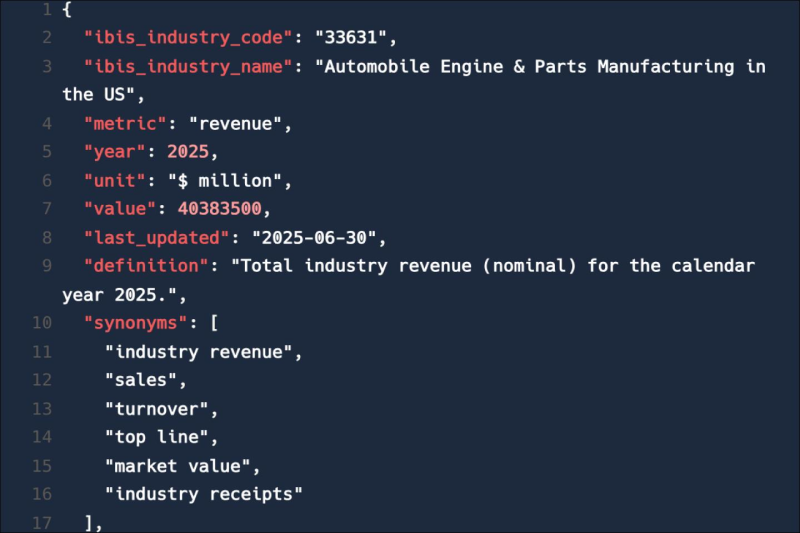
Feed trusted, human-driven industry intelligence straight into your platform.
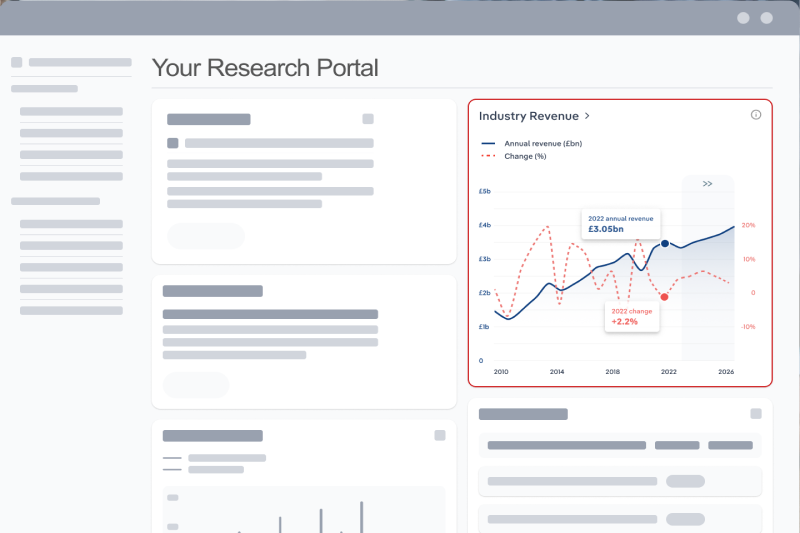
Streamline your workflow with IBISWorld’s intelligence built into your toolkit.
Explore industries with similar markets, supply chains, and economic drivers to gain broader context and insights.
| Industry | Country | Last 5-yr CAGR | Forecast 5-year CAGR | Revenue |
|---|---|---|---|---|
| Fishing and Aquaculture in New Zealand |

|
XX% | XX% | $XX |
| Seafood Processing in New Zealand |
|
XX% | XX% | $XX |
When the stakes are high, you need intelligence that cuts through the noise—wherever you work.
The domestic price of fish and other seafood in New Zealand in 2027 was 122.1 index points.
The domestic price of fish and other seafood in New Zealand grew by 4.07% in 2027.
IBISWorld’s data and analysis on domestic price of fish and other seafood in New Zealand includes forecasted growth rates over the next five years.