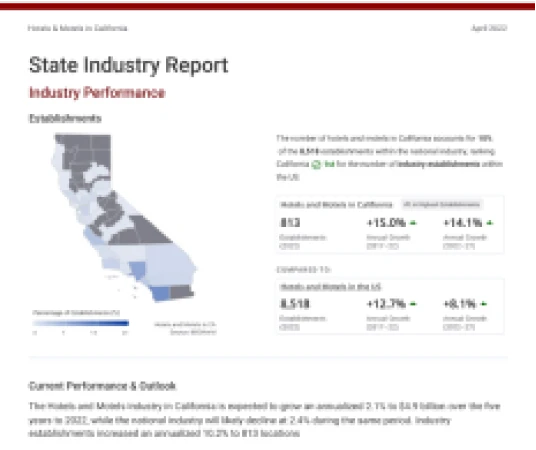

About the Petrochemical Manufacturing in New Brunswick Market Research Report
What’s Included in the Petrochemical Manufacturing in New Brunswick Market Research Report
Definition of the Petrochemical Manufacturing in New Brunswick?
This industry manufactures petrochemicals, which are chemicals derived from petroleum and natural gas. Key products include ethylene, propylene, butylene, benzene, toluene, styrene, xylene, ethyl benzene and cumene. These products are used in the production of consumer products, automotive components and various durable and nondurable goods. Organic compounds, such as ethyl alcohol, in addition to inorganic chemicals, such as carbon black, are excluded from the industry.
What’s included in the Petrochemical Manufacturing in New Brunswick?
The Petrochemical Manufacturing in New Brunswick includes manufacturing benzene from refined petroleum or liquid hydrocarbons, manufacturing butadiene/butane and butylene from refined petroleum or liquid hydrocarbons, manufacturing cumene from refined petroleum or liquid hydrocarbons, manufacturing ethane made from refined petroleum or liquid hydrocarbons, manufacturing ethylene made from refined petroleum or liquid hydrocarbons, manufacturing isobutene/isoprene made from refined petroleum or liquid hydrocarbons, manufacturing propylene made from refined petroleum or liquid hydrocarbons, manufacturing styrene made from refined petroleum or liquid hydrocarbons, manufacturing toluene made from refined petroleum or liquid hydrocarbons and manufacturing xylene made from refined petroleum or liquid hydrocarbons. Related terms covered in the Petrochemical Manufacturing in New Brunswick industry report includes an unsaturated organic compound used in the production of polypropylene, a versatile polymer used in packaging and other plastic products, a gaseous organic compound used in chemical reactions to make other chemicals. it is used in polymerization, oxidation and halogenation and a chemical product derived from petroleum that can also be obtained from other fossil fuels such as coal or natural gas.
Industry Performance of the Petrochemical Manufacturing industry in New Brunswick
Benchmark the Petrochemical Manufacturing in New Brunswick industry performance with all NB Census Metropolitan Area and national performance.
Petrochemical Manufacturing in New Brunswick
#6 in Highest Revenue 2.7% of province's GDPRevenue (2026)
Annual Growth (2021-26)
Annual Growth (2026-31)
Petrochemical Manufacturing in Canada
Revenue (2025)
Annual Growth (2020-25)
Annual Growth (2025-30)
For the full list of industry drivers, see report purchase options.
Key Drivers of the Petrochemical Manufacturing industry in New Brunswick
See how key industry drivers, such as median houshold income, gross domestic product, private investment in non-residential construction, demand from plastic and resin manufacturing, world price of crude oil and consumer spending are impacting Petrochemical Manufacturing in New Brunswick
New Brunswick Economic Indicators
Median Houshold Income
Gross Domestic Product
Private Investment in Non-Residential Construction
View more economic information in NB State Economic profile
Canada Key External Drivers
Demand from plastic and resin manufacturing
World price of crude oil
Consumer spending
For the full list of industry drivers, see report purchase options.
Census Metropolitan Area Data of the Petrochemical Manufacturing industry in New Brunswick
Key Statistics of the Petrochemical Manufacturing industry in New Brunswick
Download 18 years of historical data and 5 years of projected performance.