
IBISWorld Platform
Answer any industry question in minutes with our entire database at your fingertips.

IBISWorld forecasts that the number of government school students will increase by 0.4% in 2026, reaching 2.62 million. Growth in the number of government school students is driven by the Australian birth rate, the number of international students coming to Australia and parents' preferences when deciding between private and public schools. The population aged between 5 and 18 is expected to grow in 2025-26, lifting total enrolment in 2026. However, growth in government school enrolments is set to trail overall growth in school enrolments, as the share of government students to non-government students continues its downward trend evident over the past five years.The pandemic constrained government school student enrolments in 2021 and 2022. The closure of Australia's international borders significantly reduced the number of international students arriving in Australia over these two years, contributing to a decline in the number of students enrolled at government schools for the first time since 2008. This decline continued in 2022, when government school enrolments decreased by 0.6%, representing the largest decline since 1994. Various disruptions to school operations over these years, like mandatory remote learning, caused parents to become increasingly concerned about the quality of education provided to their children. As a result, parents were more likely to prefer private schools perceived as offering higher-quality, more personalised education. Strong growth in discretionary incomes over the same period also contributed to this trend, as the rising number of high-income earners lifted demand for private school education at the expense of government schools.In 2025, public schools educated 62.8% of all students in Australia. However, this percentage has been decreasing over the past two decades as more parents have preferred to enrol their kids in non-government schools. The influx of wealthy international students has also contributed to this trend. This decline in the share of students enrolled at government schools had been gradual between 2006 and the start of the pandemic, decreasing from 66.9% in 2006 to 65.7% by 2019. However, this share has declined by at least 0.5 percentage points per annum over the five years through 2025 to the current figure of 62.8%, indicating a significant increase in the rate of decay, driven by parents' growing desire to give their children perceived superior opportunities, particularly due to the dent that the pandemic made on many kids' formative years in both a social and educational context.Government school enrolments grew by 0.3% in 2023, as a sharp rise in migration numbers helped reverse the decline trends witnessed in 2021 and 2022. Inflationary pressures also caused a significant decline in discretionary income. This meant more families were unable to afford the significant costs associated with private school enrolment, benefiting government school enrolment rates. Relatively stagnant government school enrolment figures in 2024 and 2025 can be attributed to varying growth rates across states. Victoria and Western Australia have seen enrolment expand at a healthy rate, while Tasmania, the Northern Territory and New South Wales have seen strong declines in government student enrolments over the two-year period, cancelling out gains in other states. Notably, non-government school enrolments have been increasing across all states, illustrating a divergence in trends from government schools. Overall, IBISWorld forecasts the number of government school students to remain stable over the five years through 2026.
Curious about what drives these trends? IBISWorld's analyst coverage on the number of government school students includes detailled analysis on the current performance, outlook and industries affected.
1993-2033
This report analyses the number of students at government schools, also referred to as public schools. This includes primary, junior secondary, senior secondary and combined primary and secondary schools that are government run. Catholic and Independent private schools are excluded. The data for this report is sourced from the Australian Bureau of Statistics and is measured in millions of students per calendar year.
IBISWorld Industry Reports are available in multiple formats to fit seamlessly into your workflow.
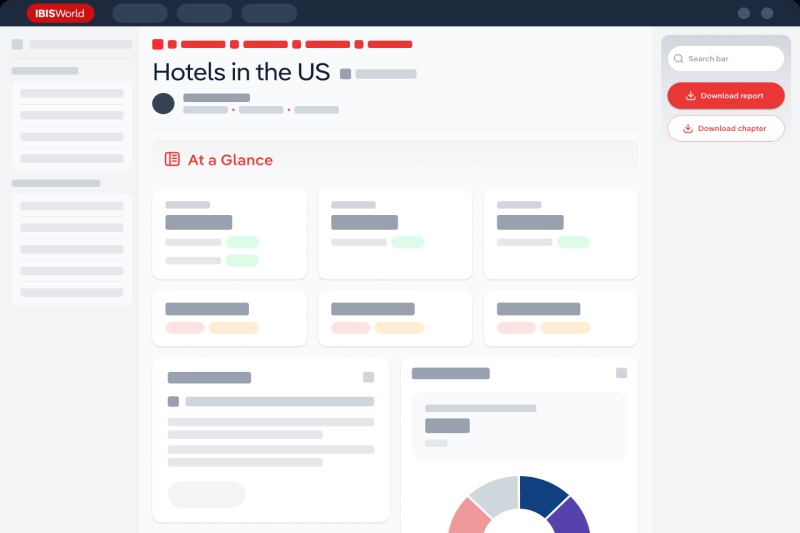
Answer any industry question in minutes with our entire database at your fingertips.
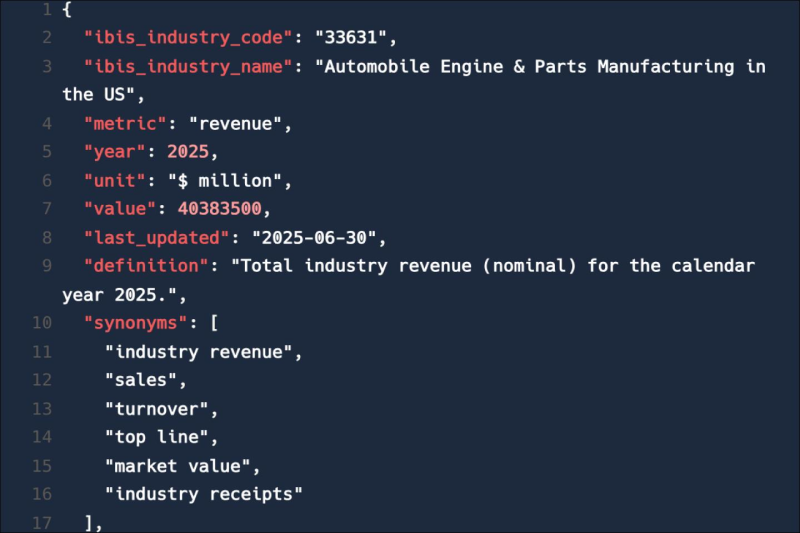
Feed trusted, human-driven industry intelligence straight into your platform.
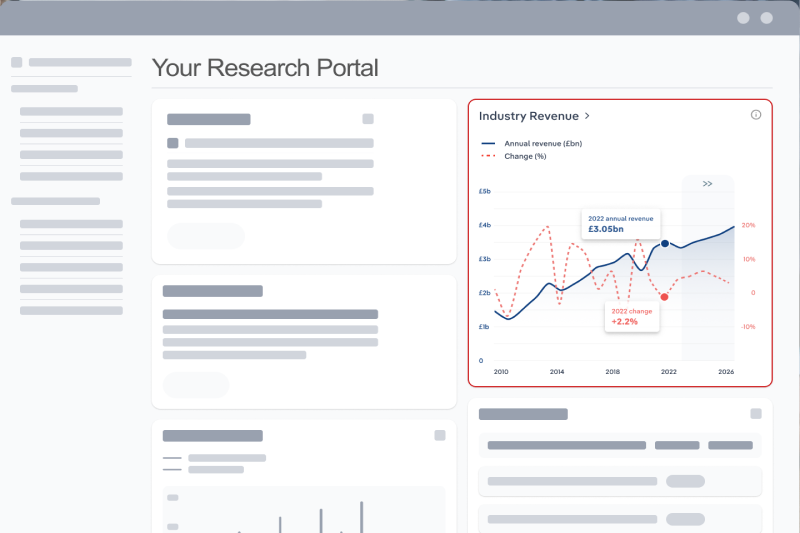
Streamline your workflow with IBISWorld’s intelligence built into your toolkit.
Explore industries with similar markets, supply chains, and economic drivers to gain broader context and insights.
| Industry | Country | Last 5-yr CAGR | Forecast 5-year CAGR | Revenue |
|---|---|---|---|---|
| Government Schools in Australia |

|
XX% | XX% | $XX |
When the stakes are high, you need intelligence that cuts through the noise—wherever you work.
The number of government school students in Australia in 2026 was 2.62 millions of people.
The number of government school students in Australia grew by 0.01% in 2026.
IBISWorld’s data and analysis on number of government school students in Australia includes forecasted growth rates over the next five years.