
IBISWorld Platform
Answer any industry question in minutes with our entire database at your fingertips.

IBISWorld forecasts capital expenditure on private dwellings to rise by 2.4% in 2026-27, to total $151.6 billion. Growth has eased from the 4.5% recorded in the previous year, as the Reserve Bank reversed its 2025 easing cycle. Having cut the cash rate from 4.35% to 3.60% across 2025, the RBA lifted it back to 4.35% by May 2026, raising borrowing costs. Nonetheless, a strong construction pipeline continues to underpin activity, with dwelling investment recording its ninth consecutive quarter of growth in the March 2026 quarter, up 3.5% through the year.Demand from residential building construction has strengthened, with dwelling commencements reaching their highest level since September 2021. Total dwellings commenced rose by 8.0% to 53,567 in the December 2025 quarter, led by a 23.4% jump in apartment and townhouse commencements. The National Housing Accord, which targets 1.2 million new homes over the five years to June 2029, has underpinned this supply response, with building approvals and commencements both rising since the agreement began. Although tighter lending standards continue to constrain financing for some prospective buyers, the construction work already underway has sustained capital expenditure through the year.Easing construction cost inflation has supported activity, as material price pressures and labour shortages moderated. Lower cost growth has improved project feasibility, making new developments more viable and reinforcing capital expenditure on private dwellings. This marks a clear reversal of the cost-driven headwinds that weighed on the sector through the early 2020s.Housing prices have risen sharply over the past decade, driving significant demand for residential property from investors. Multi-unit apartments and townhouses, which declined sharply earlier in the decade, particularly in Melbourne and Sydney, have rebounded as a key growth driver as the market has regained momentum. Capital expenditure contracted in 2022-23 and 2023-24, falling by 2.8% and 0.6%, respectively, as an aggressive interest rate-hiking cycle and surging construction costs weighed on activity, before reversing over the three years through 2026-27. Overall, IBISWorld estimates capital expenditure on private dwellings to climb at a compound annual rate of 1.5% over the five years through 2026-27.
Curious about what drives these trends? IBISWorld's analyst coverage on the capital expenditure on private dwellings includes detailled analysis on the current performance, outlook and industries affected.
1960-2034
This report analyses capital expenditure on private dwellings. The data includes capital expenditure used to acquire new and used dwellings and any capital expenditure used to make alterations and additions to existing buildings. The data for this report is sourced from the Australian Bureau of Statistics and is measured in billions of seasonally adjusted 2023-24 dollars.
IBISWorld Industry Reports are available in multiple formats to fit seamlessly into your workflow.

Answer any industry question in minutes with our entire database at your fingertips.
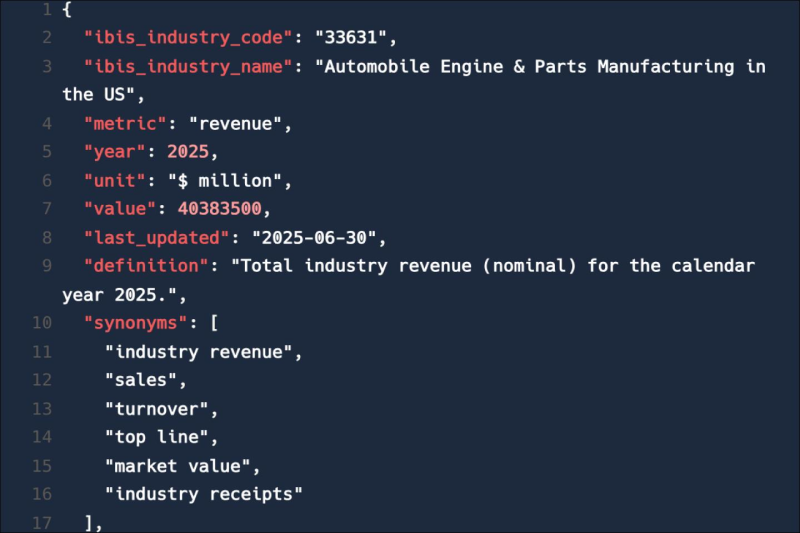
Feed trusted, human-driven industry intelligence straight into your platform.
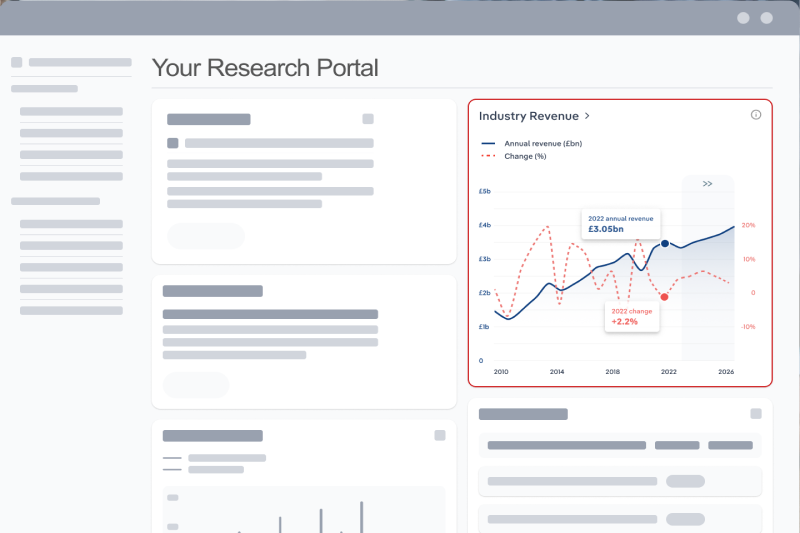
Streamline your workflow with IBISWorld’s intelligence built into your toolkit.
Explore industries with similar markets, supply chains, and economic drivers to gain broader context and insights.
When the stakes are high, you need intelligence that cuts through the noise—wherever you work.
The capital expenditure on private dwellings in Australia in 2027 was $151.6 billion.
The capital expenditure on private dwellings in Australia grew by 1.52% in 2027.
IBISWorld’s data and analysis on capital expenditure on private dwellings in Australia includes forecasted growth rates over the next five years.